
Vestibular & Balance
Documents inner-ear and balance-system dysfunction behind dizziness, vertigo and unsteadiness.
- Videonystagmography (VNG)
- Posturography
- VEMP
- Oculomotor testing
Physician-Led Neurotrauma Testing
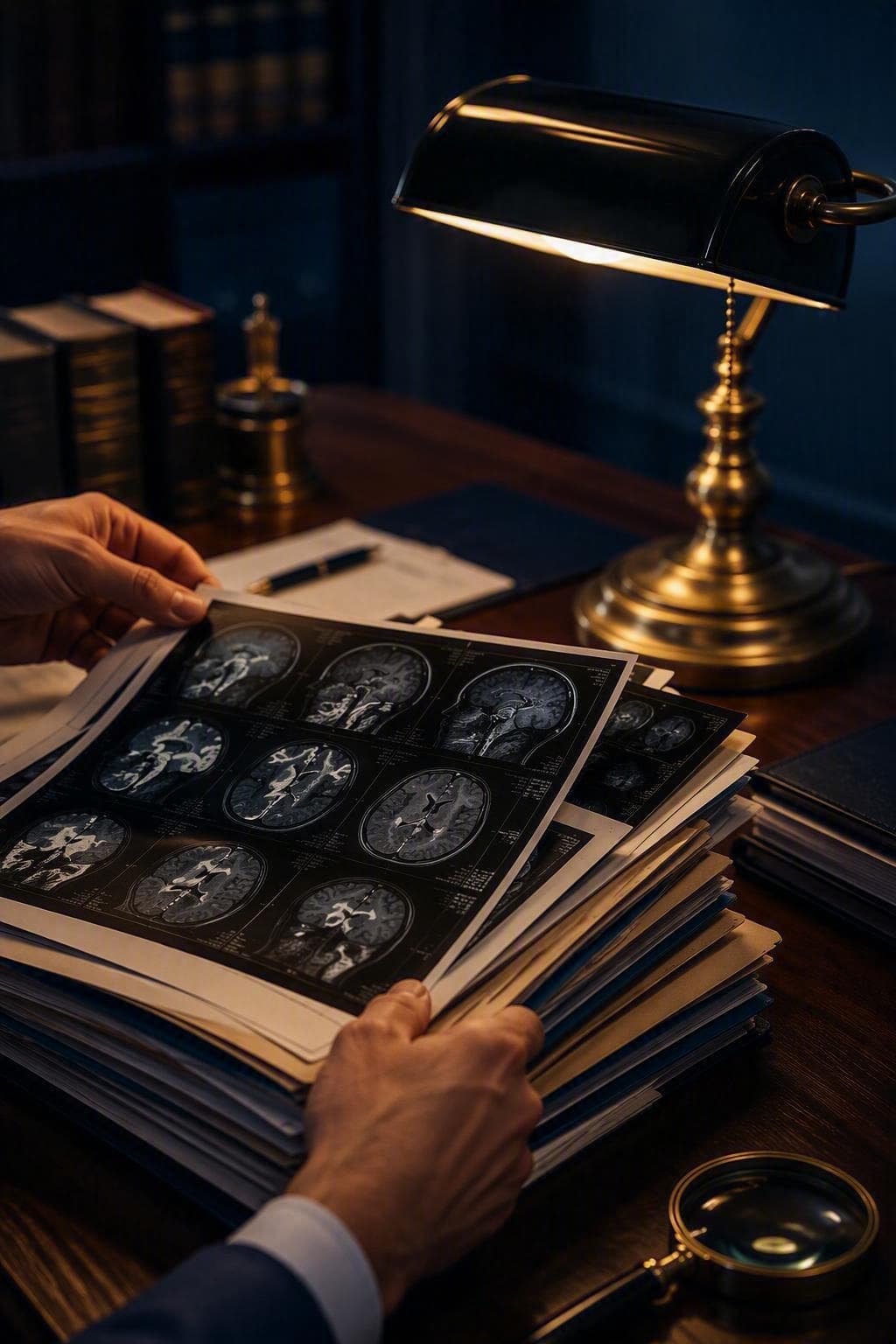
CT's and MRI's don't tell the whole story. We provide Neurotrauma testing that looks deeper.
About NTDI
Dizziness, imbalance, hearing changes or brain fog that linger after a head injury deserve real answers, especially when an MRI or CT came back normal. NTDI is a physician-led diagnostic testing center in San Antonio built for exactly these cases.
We measure what imaging can't: how the balance system, hearing and cognition are actually working, and what is driving the symptoms.
Patients get treatment recommendations matched to the cause. Attorneys get objective, clearly documented findings for their client's case.
VNG, VEMP, posturography, eye movement
Audiometry, OAE, ABR and ECoG
Attention, memory, processing speed
Physician-signed findings, likely cause and treatment plan, with the full test data
For Attorneys
Your client has persistent dizziness, headaches, hearing changes or cognitive problems after a head trauma, but the MRI or CT is normal. The injury is real, but it's difficult to prove.
NTDI gives you objective clinical evidence to better understand, document, evaluate and present the case.
What We Evaluate
One patient. One location. A clearer understanding.
Documents inner-ear and balance-system dysfunction behind dizziness, vertigo and unsteadiness.
Measures the type and degree of hearing loss, tinnitus-related changes and inner-ear function.
Measures thinking skills against normative data to document post-concussive changes.
Brings every result together into one physician-led clinical picture.
The Referral Process
01
Call or email our office.
02
We coordinate directly with your office and your client.
03
Comprehensive testing at our San Antonio location: one visit, one place.
04
An attorney-ready clinical summary plus the full technical data.
What You Receive
Every evaluation includes a one-page, plain-English clinical summary on top of the complete technical report. You can find the clinical story fast without losing the underlying data.
Objective findings following reported head trauma
Rear-end collision. CT and MRI read as normal. Persistent dizziness, imbalance, tinnitus and memory complaints.
VNG, VEMP, posturography, audiology, oculomotor and cognitive testing.
28% left vestibular weakness · Balance at the 1st percentile · Abnormal saccades and smooth pursuit.
Reduced balance-system response from the left inner ear, extremely poor balance compared with the reference population, and abnormal eye tracking.
Objective evidence supporting the reported symptoms and functional limitations, considered together with the injury history, records and treating physicians' opinions.
Recommendations for treatment, monitoring and follow-up testing.
Resources
A quick screening list of post-trauma symptoms that suggest testing may help.
What VNG, VEMP, OAE and other tests may objectively document, in plain English.
See how findings are organized so you can find the clinical story fast.
Call or email our office. We coordinate scheduling with your office and client.
FAQ
Answers for attorneys and patients. Still have questions? Call us at 844-DIZZY00.
A plain-English clinical summary organized by domain, the physician's interpretation and recommendations, a causation opinion when appropriate, and the full technical data for review, deposition and trial.
Yes. NTDI accepts 50% of testing fees on a lien basis. Contact our office to confirm terms for a specific case.
Call or email our office. We coordinate scheduling directly with your office and your client.
Often, yes. Routine imaging shows structure; it usually can't measure how the balance, hearing and cognitive systems function. Functional testing can document abnormalities that imaging does not show.
Videonystagmography (VNG) uses infrared video goggles to record eye movements while the patient follows targets, changes position and receives mild air or water stimulation to each ear. Because the inner ear and eyes are linked, abnormal eye movements can reveal vestibular dysfunction.
Many post-traumatic balance and hearing problems involve how the inner ear and its nerve pathways function, not visible structural damage. Functional tests measure that performance directly.
Most comprehensive evaluations take [X hours] and are completed in a single visit at our San Antonio location.
Get Started
Talk with our team about whether objective testing fits your client's situation.